Embarking on a vein treatment journey can be intimidating due to the cost. If you have medical problems with your veins, insurance usually covers the cost to improve your quality of life. Cosmetic vein problems are typically not covered by insurance, as insurers prioritize procedures that are medically necessary. In this article, you will learn what vein problems are classified as medical problems and what vein problems are cosmetic issues.
Is Vein Treatment Covered by Insurance?
Insurance covers medical vein problems as they are deemed medically necessary and are treated as progressive health conditions. Varicose veins can be very painful and affect daily activities; this is when treatment is necessary. Patients usually need to meet criteria to receive coverage, such as painful symptoms of aching, heaviness, or swelling of the legs.
Asymptomatic spider veins, which are purely cosmetic, are not covered by insurance. This is an elective surgery and must be paid out of pocket. Patients can expect to pay consultation co-pays per visit. If the deductible for a venous doppler ultrasound has not been met, the ultrasound will be expected to be paid out of pocket.
Have a question about payment options? Call the VeinSolutions office today.
Conditions Covered by Insurance: Deep Vein Thrombosis and Venous Ulcers
Deep Vein Thrombosis (DVT) and Venous Ulcers are always covered by insurance.
Deep Vein Thrombosis
DVT is a serious condition in which a blood clot forms deep within a vein, causing severe swelling, pain, and redness. DVT is caused by poor blood circulation or an abnormality in blood clotting. Blood clotting is more likely when an individual is in prolonged inactivity, whether that is rest or travel. There is also a higher risk in those who are on certain medications, are pregnant, or have a chronic illness.
Venous Ulcers
Venous Ulcers are shallow open sores that typically form near the ankles due to chronic venous insufficiency. High blood pressure in the legs leads to pooling of blood in the ankles, causing fluid to leak into surrounding tissues. Venous ulcers present in irregularly shaped, yellow sores. These sores can be very itchy and painful when inflamed.
Why Insurance Typically Covers Treatments for Medical Conditions
Insurance typically covers treatments for DVT and venous ulcers because it is considered a medical necessity. These conditions are dangerous if left untreated and can cause fatal pulmonary embolism, which is a blood clot in the lungs. Diagnostic exams, including ultrasounds, are covered. Along with medication to manage or treat the condition. In severe cases, procedures are required, and with the right documentation of DVT or venous ulcer, insurance will cover treatment.
When insurance companies are distinguishing a medically necessary vein procedure from a cosmetic enhancement, the main considerations are as follows:
Medical Treatment
A medically necessary vein treatment involves symptoms of pain, burning, swelling, and restless legs. These symptoms affect the patient’s daily life and often require conservative management, such as compression stockings or exercise. These individuals have received an ultrasound confirming that they have venous insufficiency, varicose veins, or deep vein thrombosis.
Cosmetic Treatment
Cosmetic vein treatments are usually not covered by insurance because the primary reason for eliminating the veins is appearance alone. There are no physical symptoms that disrupt the patient’s daily life.

Medical Vein Problems
Venous Insufficiency causes achy, painful, tired, and restless legs. Key symptoms to identify:
- Swelling: Primarily in the lower legs, ankles, or feet. Swelling usually worsens after prolonged standing or walking because gravity pulls the blood down, and veins struggle to pump it back up.
- Leg Discomfort: Aching, fatigue, or burning is common with venous insufficiency and is often accompanied by heaviness and throbbing.
- Skin Changes: Discoloration around the ankles or lower calves, along with stasis dermatitis from inflammation, is common in those with venous insufficiency.
- Wound: Due to chronic high blood pressure in leg veins, painful wounds and ulcers can form near the ankle. Deep vein thrombosis is a risk factor for wounds and ulcers associated with venous insufficiency and requires medical attention.
- Restlessness: Muscle spasms and cramps are common when feeling the overwhelming need to move the legs while sitting, resting, or sleeping.
- Varicose Veins and Spider Veins: Chronic venous insufficiency leads to varicose veins and spider veins, as weakened valves allow blood to pool.
If you are experiencing any of those symptoms, you should contact VeinSolutions for a free consultation.
Connection Between Varicose Veins and Underlying Venous Insufficiency
Varicose veins are a visible sign of venous insufficiency. Veins in your legs are meant to carry your blood back to your heart, but when someone has varicose veins, the valves become weak or damaged, making it harder for the blood to return to the heart. Blood begins to flow backward, under gravity, and pools in the veins. This increased pressure stretches the veins over time, resulting in visible varicose veins that are often twisted into knots. When varicose veins are due to chronic venous insufficiency, insurance will cover your vein treatment.
Medical Treatments: Venous Ablation, Microphlebectomy, and Sclerotherapy
At VeinSolution in Flint and Lapeer, Michigan, we offer venous ablation, microphlebectomy, and sclerotherapy to treat unsightly veins. Insurance will usually help cover venous ablation, microphlebectomy, or sclerotherapy if your varicose veins are affecting your everyday life.
Venous Ablation: A minimally invasive procedure that provides relief from painful and protruding veins. This is an outpatient procedure that involves using radiofrequency to seal faulty veins. Vein ablation destroys part of the diseased vein and reroutes blood flow to healthy veins. Vein Ablation treats:
- Vein Disease
- Varicose veins
- Venous Stasis Ulcers
- Painful Leg Swelling
If you are experiencing any of these symptoms or conditions, vein ablation could be an insurance-covered option for your vein health.
Microphlebectomy: A procedure to remove medium to large varicose veins. This involves a vascular surgeon making a minimally invasive incision in your skin and using a hook to extract the damaged vein in sections. Microphlebectomy is an outpatient procedure, and you should be able to walk and resume regular activity right away. Strenuous activity or intense workout should be avoided for 1-2 weeks after the treatment.
Sclerotherapy: A series of saline solution injections that treat damaged or diseased veins. The injection seals or fades visible veins, redirecting blood flow to healthier veins.
These procedures will treat your painful veins promptly, allowing you to resume normal activity afterward.
Why Cosmetic Treatments Are Typically Not Covered
Cosmetic treatments are typically not covered by insurance because they are not medically necessary. Insurance providers prioritize procedures that are medically required for an individual. To be ruled medically necessary, the procedure must relieve pain or cure an individual of a disease.
Cosmetic Vein Problems
Not all vein problems are medical issues; some vein problems are cosmetic concerns. The most common are spider veins and reticular veins. These are painless red or purple veins that appear on the leg, relatively close to the skin’s surface.
Recognizing Spider Veins and Reticular Veins
Key Characteristics
Spider veins are small red or purple lines in web-like patterns on the legs, ankles, and face. Spider veins do not protrude from the skin’s surface; they lie directly beneath the skin. They are generally not painful and are considered asymptomatic veins.
Reticular veins are larger than spider veins and appear green-blue in color. Reticular veins are located slightly deeper than spider veins, on the inner thighs or behind the knees. These veins are usually flat and painless, but can be tender to the touch.
Common contributing factors
Cosmetic vein problems are commonly caused by a combination of factors. The primary contributing factors are family history, hormones, and age.
- Genetics: Can cause spider veins by inheriting weak vein walls or faulty valves. Inheriting a weak vein structure can lead to structural abnormalities in the vein walls, causing blood to pool in smaller vessels and making them more visible.
- Hormones: Can cause spider veins; specifically, increased estrogen and progesterone levels can weaken vein walls. Women are at a higher risk for spider veins due to the high-risk factors being pregnancy, menopause, and hormone therapy. Along with higher blood pressure, pregnancy can cause estrogen and progesterone to skyrocket, causing vascular stress. During menopause, the female body undergoes a rapid decline in estrogen, weakening the vascular system and leading to a loss of vascular elasticity.
- Age: As people age, vein walls weaken, elasticity increases, and the skin thins, making spider veins more prominent. In these instances, spider veins rarely cause medical issues.

Effective Cosmetic Solutions: Sclerotherapy
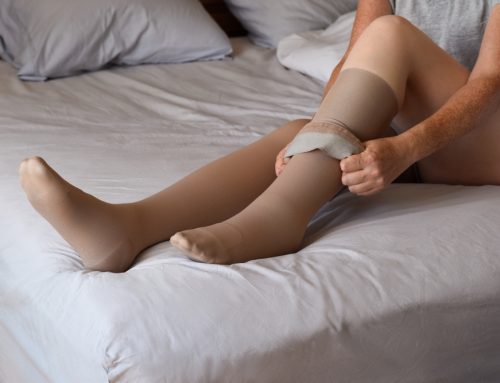
If you are experiencing a cosmetic vein issue, VeinSolutions in Flint, Michigan, is here to help. Here at the clinic, we offer sclerotherapy to address visible veins. Sclerotherapy involves a series of microinjections of a saline solution into a damaged or diseased vein. The injection seals or fades visible veins, redirecting blood flow to healthier veins. After sclerotherapy, you will receive compression stockings to help prevent bruising and the risk of complications like blood clotting.
Expected Outcomes for Cosmetic Vein Removal
Cosmetic vein removal treatment will significantly reduce the appearance of spider veins and smaller varicose veins. Treated veins will permanently be gone, but new veins may develop over time. Patients usually require multiple sessions for optimal results.
Understanding Out-of-Pocket Costs for Diagnostic Testing
If you are experiencing painful venous symptoms, diagnostic testing is usually covered by insurance. If you are participating in testing after being informed that you have a cosmetic venous issue, the testing is most likely not covered by insurance and will involve copays and deductibles.
What to Expect During a Free Vein Screening
The initial consultation with a board-certified vascular surgeon will involve a discussion about the symptoms you may be experiencing and an examination of the areas that concern you. After examining the affected areas, the doctor will advise you on the next appropriate steps, depending on whether you are experiencing a medical or cosmetic issue.
A free screening helps determine the nature of the vein problem before paying out of pocket for a vein treatment. Documentation of clinical notes or ultrasound results helps determine if the patient’s vein problem is a medical issue or a cosmetic preference.
Differentiating Between Cosmetic Concerns and Medical Symptoms
Cosmetic Concerns
If you are experiencing cosmetic vein issues, they may appear close to the surface of your skin in a red or blue color. Often displaying in small and thin web-like clusters. With cosmetic vein issues, there are generally no symptoms of pain, swelling, or discomfort.
The main cause of concern is aesthetic dissatisfaction. Often causing self-consciousness, these veins can be treated through elective cosmetic procedures such as sclerotherapy for appearance enhancement.
Medical Symptoms
After examination, if your doctor believes you are experiencing a medical problem, they will recommend that you schedule a venous duplex and further consultation. A medical vein issue appears in large rope-like, twisted veins that are deeper below the skin than the cosmetic issue veins. This involves pain and aching after sitting or standing for a long time, a feeling of heaviness or fatigue in the legs, and swelling in the lower legs or ankles.
If you are experiencing a medical vein issue, you may also notice skin color changes or thickening near the problematic vein, along with constant itchiness. If these veins are left untreated, they can lead to blood clots or skin ulcers.
Assessing Symptoms
If you are experiencing any of the following symptoms:
- Persistent Leg Swelling
- Cramping and Aching
- Skin Changes
- Non-healing Sores
- Visible Development of Varicose Veins or Spider Veins
You should reach out to Vein Solutions, as these indicators warrant a Venous Duplex Ultrasound.
Venous Duplex Ultrasound
How it works
A venous duplex ultrasound diagnoses and rules out underlying venous issues in a non-invasive, painless test. The venous duplex ultrasound combines 2D ultrasound with Doppler. It evaluates the direction and velocity of blood flow in the affected area by recording sound waves. Color Doppler adds color to the image to visually depict blood flow direction. Technologists will apply pressure to evaluate healthy veins versus varicose and spider veins.
During your venous duplex ultrasound, you will lie down in a comfortable position. Your technologist will start by applying a water-based gel to your skin and then glide the machine over your veins. After your ultrasound, your doctor will review your results with you and discuss your treatment options.
Treatment at VeinSolutions
If you believe you are experiencing symptoms of vein disease or want to improve the cosmetic appearance of your legs, take the first step, without any financial commitment, and receive a free vein screening. Let our vascular experts help you feel your best. Contact the clinic today for a consultation.