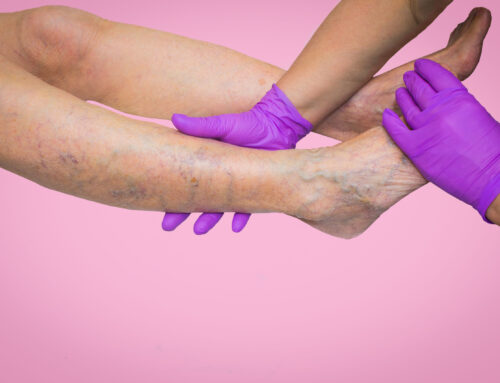
Untreated venous disease can progress quietly before the risks become obvious. As blood pools in the lower legs, pressure builds in the veins and can begin to affect circulation, skin health, and surrounding tissues.
What starts as mild swelling, aching, heaviness, or bulging veins may become harder to manage if the underlying vein problem continues. That does not mean you will develop complications, but it does mean persistent or worsening symptoms should not be ignored.
This article from the care team at VeinSolutions Flint and Lapeer explains how venous disease progresses, what symptoms to look for, the risks of leaving a vein condition untreated, who is most vulnerable to complications, and when it may be time to schedule a vein evaluation.
What Is Venous Disease?
Venous disease refers to conditions that affect how blood moves through the veins. In the legs, veins have one-way valves that help move blood upward, back toward the heart. If they get weak or damaged, blood can flow backward and collect in the lower legs.
This backward flow is called venous reflux. Over time, it can raise pressure in your veins and contribute to leg swelling, aching, heaviness, varicose veins, skin changes, and other problems.
Venous disease can include varicose veins, chronic venous insufficiency, venous ulcers, and some clot-related vein conditions. Spider veins are usually a cosmetic issue, but they can also appear alongside venous disease.
How Untreated Venous Disease Can Progress
Venous disease is often progressive, meaning symptoms often start mild and become more noticeable or advanced over time. Progression does not always mean a patient will develop serious complications, but it can be a sign that pressure in the veins is affecting circulation, tissue health, and the skin.
Doctors use stages to describe how far chronic venous disease has progressed. These stages do not predict what will happen to everyone, but they can help explain the differences between early vein changes and advanced complications.
- Stage 0: No visible signs of vein disease, even though some people may still have leg symptoms.
- Stage 1: Spider veins or small visible veins may appear. These may be cosmetic, but they can also occur in people with underlying vein disease.
- Stage 2: Varicose veins develop. These are enlarged, twisted veins that may bulge above the skin and cause aching, heaviness, throbbing, burning, itching, or leg fatigue.
- Stage 3: Swelling develops in the feet, ankles, or lower legs. This may be mild at first, but it can become more persistent as circulation problems worsen.
- Stage 4: Skin changes begin. The skin around the lower legs or ankles may become darker, red, irritated, itchy, thickened, tight, or hardened.
- Stage 5: A venous ulcer has developed and healed. Even after healing, the underlying vein problem may still need evaluation to reduce the risk of recurrence.
- Stage 6: An active venous ulcer is present. This is an open wound, often near the ankle, that may heal slowly because circulation in the area is impaired.
Progression doesn’t always follow this order, and not every case becomes severe. However, once leg swelling, skin changes, or a venous ulcer develop, it likely indicates that venous disease is more advanced and should be evaluated by a vein doctor.
What Are The Hidden Risks of Untreated Venous Disease?
The risks of untreated venous disease are not always easy to spot or the same for every patient. Some are mild, such as worsening aching, heaviness, or swelling. Others are more serious, such as skin changes, venous ulcers, bleeding veins, or blood clots.
Chronic Venous Insufficiency
Chronic venous insufficiency happens when the leg veins have ongoing trouble moving blood back toward the heart, allowing blood to pool in the lower legs and pressure to build inside the veins. One hidden risk of untreated venous disease is that it can progress to this chronic stage before symptoms feel serious.
Once venous disease reaches this point, it is more than a cosmetic vein concern and should be evaluated by a vein specialist.
Worsening Leg Pain, Heaviness, and Swelling
One of the first hidden risks of untreated venous disease is that common leg symptoms like swelling, heaviness, fatigue, aching, and throbbing can slowly get worse or happen more often.
For many people, these symptoms are worse after standing or sitting for a long time. Your legs might feel tired at the end of the day, swollen after work, or heavy after traveling. Some people also notice burning, itching, or discomfort around enlarged veins.
Since symptoms often develop slowly, they might not seem serious at first. But if they keep coming back, get worse, or start to affect your daily comfort, they could be signs of a vein problem that needs medical evaluation.
Skin Discoloration and Texture Changes
If venous disease is not treated, it can eventually affect the skin on your lower legs and ankles. Changes often start slowly, with skin discoloration that looks red, irritated, dry, or itchy, especially in areas where swelling happens.
As pressure continues to build in the veins, the skin may turn brown or dark and start to feel thicker, tighter, or harder than usual. These changes can happen when long-term pressure affects small blood vessels, fluid balance, and tissue health in the lower legs.
Skin changes should never be ignored or dismissed as general dryness, irritation, or aging skin, as they can indicate that venous disease is more advanced.
Venous Leg Ulcers
Venous leg ulcers are open wounds that usually develop near the ankle and can be slow to heal due to poor circulation and compromised tissue health. They are one of the more serious risks of untreated or poorly managed venous disease and should never be ignored. Not everyone with venous disease will get an ulcer, but any open sore on the lower leg should be checked by a doctor.
Bleeding Varicose Veins
Large varicose veins near the skin’s surface may bleed if the skin becomes thin, irritated, scratched, or injured. Bleeding veins are not the most common complication of untreated vein disease, but they can happen with more advanced varicose veins and should be taken seriously and evaluated by a medical professional.
Clot-Related Concerns
If venous disease is not treated or gets worse, it can raise the risk of blood clots in some people, especially if varicose veins are large, inflamed, painful, or there are other risk factors.
Some clots form in veins close to the surface of the skin, which is called superficial thrombophlebitis. Deep vein thrombosis, or DVT, is different and involves a clot in a deeper vein. DVT can be serious and requires urgent medical attention.
If you have sudden swelling, warmth, redness, or pain in one leg, see a doctor right away. Chest pain, trouble breathing, coughing up blood, or sudden shortness of breath could be signs of a pulmonary embolism and are medical emergencies.
Signs Venous Disease May Be Getting Worse
Some symptoms of venous disease are easy to dismiss until they become harder to manage. To help avoid complications, watch for changes such as:
- Leg swelling that happens more often
- Aching, heaviness, throbbing, burning, or fatigue in the legs
- Symptoms that worsen after long periods of sitting or standing
- Itching, dryness, or irritation around the lower leg or ankle
- Brown, red, or dark skin discoloration
- Skin that feels thick, tight, firm, or hardened
- New or worsening varicose veins
- An open sore near the ankle or lower leg
- Bleeding from a visible vein
- A tender, red, warm, or painful area along a vein
If you notice new, ongoing, or worsening symptoms, or if your skin is affected, it is best to schedule a vein evaluation.
Who Is More Likely to Develop Complications From Venous Disease?
Anyone with venous disease can develop worsening symptoms, but certain factors may increase the risk that it becomes symptomatic, worsens over time, or leads to complications.
These include:
- Family history of vein disease
- Older age
- Pregnancy history
- Long periods of sitting or standing
- Excess weight
- Limited physical activity
- Prior blood clots
- Existing varicose veins
- Recurring leg swelling
- Skin discoloration or texture changes around the lower legs or ankles
Having these risk factors does not automatically mean complications will happen, but it does mean you should pay closer attention and see a vein specialist if symptoms keep coming back, worsen, or affect your skin.
Can Early Treatment Help Prevent Complications of Venous Disease?
Early evaluation and treatment can help manage symptoms, reduce pressure in the veins, and lower the risk of venous disease becoming more advanced. The right next step depends on what is causing your symptoms, which veins are affected, and whether there are signs of reflux, swelling, skin changes, or other issues.
A venous ultrasound exam can show if you have backward blood flow, called venous reflux, or other circulation problems that are not visible from the outside. This helps a vein specialist determine whether your symptoms are cosmetic, medical, or due to a deeper vein problem.
For some people, compression stockings can help reduce swelling, aching, and discomfort. Elevating your legs above heart level for short periods several times a day, staying physically active with regular walking or gentle exercises, avoiding sitting or standing for long periods without a break, maintaining a healthy weight, and following a balanced, healthy diet can also help manage symptoms and improve circulation. However, these steps do not repair damaged vein valves or remove abnormal veins.
If you need vein treatment, options may include sclerotherapy, venous ablation, or microphlebectomy, depending on your diagnosis and vein structure. A vein evaluation can help determine which options, if any, are appropriate for your condition.
To learn more, read “Top 5 Things to Expect From Your Vein Treatment” and High Impact Changes You Can Start To Stop Vein Damage”.
Schedule a Vein Evaluation at VeinSolutions in Flint or Lapeer
If you have spider veins or venous disease with aching, swelling, heaviness, skin discoloration, or symptoms that seem to be getting worse, it is best to see a vein doctor who specializes in cosmetic and therapeutic vein problems for an evaluation.
At VeinSolutions in Flint and Lapeer, our board-certified vascular surgeons use the latest technology to diagnose and treat varicose veins, spider veins, and venous insufficiency.
Evaluation may include a venous ultrasound, which allows us to look at your veins, assess blood flow, and identify backward blood flow. If treatment is appropriate, our experienced surgeons will discuss options based on your diagnosis and vein anatomy, which may include sclerotherapy, venous ablation, or microphlebectomy.
To take the next step, contact us to schedule a vein evaluation.
Sources
Society for Vascular Surgery. “Varicose Veins.”
Society for Vascular Surgery. “Chronic Venous Insufficiency.”
National Library of Medicine. “Venous Insufficiency.” StatPearls, NCBI Bookshelf
National Library of Medicine. “Venous Leg Ulcer.” StatPearls, NCBI Bookshelf
National Library of Medicine. “Lipodermatosclerosis.” StatPearls, NCBI Bookshelf
National Library of Medicine. “Superficial Venous Thrombosis: A Comprehensive Review.” PMC
National Library of Medicine. “Hemorrhage from Varicose Veins and Varicose Ulceration.” PMC